
About Orbita
We ran real plants and warehouses. FAOS started because scattered inboxes and spreadsheets were stealing our nights—not because we wanted another demo screen.
Why we built FAOS
Before FAOS, we worked inside factories and distribution teams.
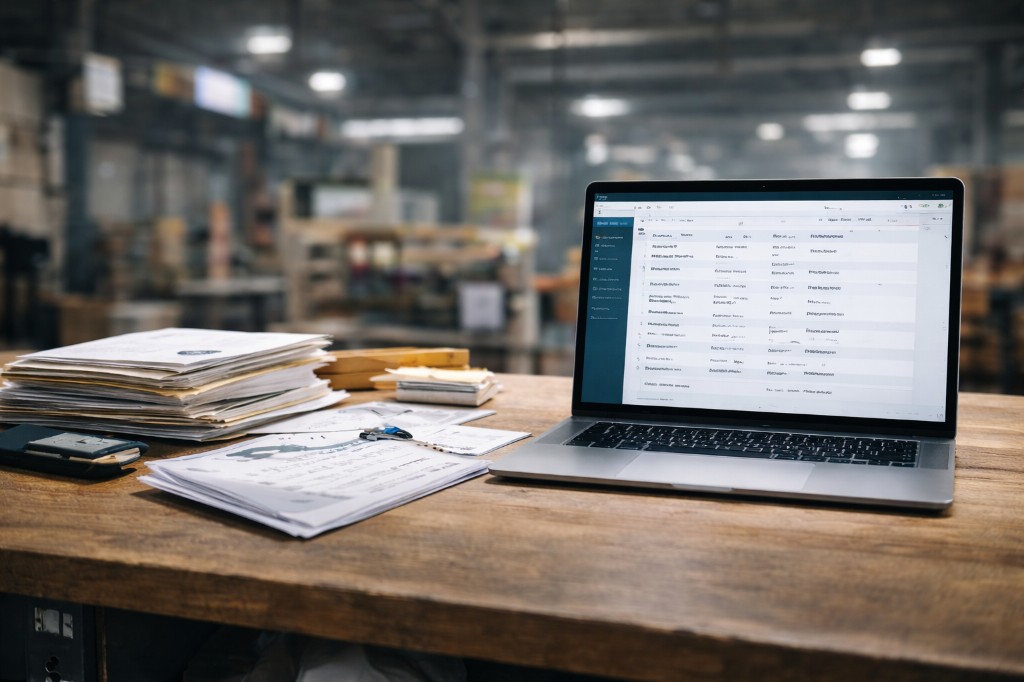
Most days looked the same: fragments in email, numbers retyped into spreadsheets, and nobody sure what stayed true once stock moved.
We watched margin slip through small mistakes, and hours disappear into chasing "where is that order?" instead of supporting the line.
We wanted proof, not opinions. We needed control we could trust.
Our story
Orbita started with people who worked on real factory floors. Late-night emails, reconciling sheets, trying to keep production honest against reality.
We wanted clarity. We wanted control.
So we built FAOS—so orders, POs, and timelines stop living only in people's heads.
If it isn't calm for the person on the keyboard, it isn't finished. That's still the test we run.

Built for real operations
Vision & Company
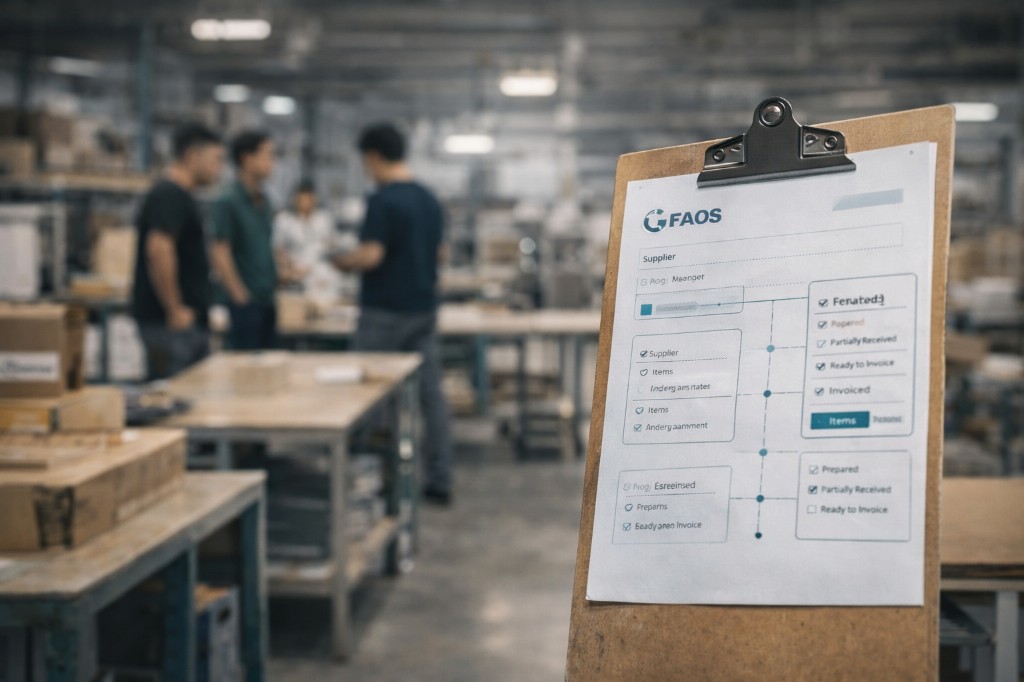
Small teams deserve clear operations.
We believe work shouldn't be filled with constant checking, repeating the same edits, or chasing missing information.
Operations should support the team—not slow them down.
—
Our goal is simple:
Give teams back time.
Give teams back clarity.
So they can focus on work that actually matters.